Hi~welcome to shenzhen xinmu display technology co., ltd.!

News Center

hotline:

13632760729

Where are your LED display settings hidden?

2026-01-01 181

Hey, do you think this is strange? Last week, a man who runs a hotpot restaurant complained to me. He spent more than 200,000 yuan to install a large LED screen, but when he broadcasts advertisements, his hairy belly always looks like a rag. When I went to the installation team to discuss the problem, they said, "You haven't adjusted the display settings properly." He was so angry that he almost threw the blame on his head. Today we are going to talk about this crazy question - in which corner are those terrible display settings of LED displays hidden?

Where are your LED display settings hidden?

Display settings of three major hiding places

Let me be honest first, this thing is like hide and seek, the hiding places of different models are really different. There are several common dens:

  1. ​Physical keypad​ ​: There are five or six small buttons hidden in the lower right corner of some screens, which look like calculator buttons. I encountered this problem last time when adjusting the screen in a shopping mall. Press and hold the "menu" key for 3 seconds to wake up the settings menu.

  2. ​Remote control secret realm​ ​: Nowadays, slightly better screens are equipped with dedicated remote controls, but those English abbreviations above can confuse people. Remember these two keys: "DISP MENU" is the entrance, and "PIP" may be associated with split-screen settings

  3. ​software console​ ​: This is the most mysterious. You need to use the debugging software provided by the manufacturer to connect to the Internet to operate. It's like playing an escape room. You can't enter the backstage without a password.


Doorway in parameter settings

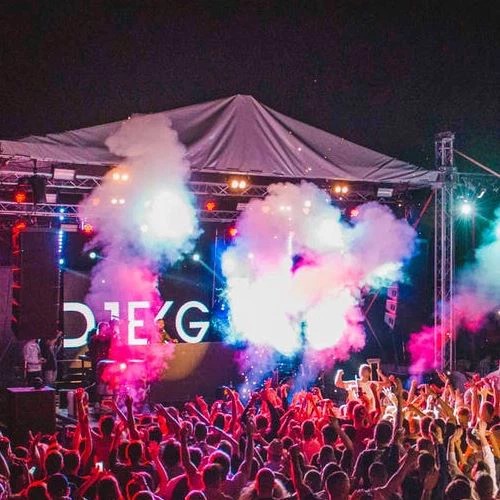
Last time I helped a friend adjust the bar's stage screen, the screen was so blurry that I couldn't even see the DJ playing. After struggling for a long time, I found out that​ ​Sharpening strength​ ​If it is set too high, this parameter will be like a beauty camera. If it is turned up high, it will cause distortion. There are a few key parameters you should keep in mind:

  • ​brightness​ ​: Indoor screens are recommended to be 800-1200cd/m² (the larger the number, the brighter), but don’t imitate some shopping malls and push the value to the top, as it will hurt the eyes of customers.
  • ​Contrast​ ​: 60%-75% is the most comfortable. If the setting is too high, the dark areas will become completely black.
  • ​color temperature​ ​: Restaurants use 6500K to make food more attractive, and clothing stores use 9300K to make clothes more vivid.

Here’s a little bit of trivia you may not know: Nowadays, all high-end screens have​ ​Ambient light sensing​ ​, can automatically adjust according to morning and evening light. Just like a mobile phone screen that can automatically brighten and darken, this feature is recommended to be always on.


The pits I stepped on over the years

Last year, I adjusted the advertising screen by the swimming pool of a gym. No matter how I adjusted it, it always glowed with blue light. Later it was discovered that the electrician had connected the neutral and live wires backwards during the renovation. Who would have thought of this? What’s even more amazing is that the music videos played on a curved screen in a certain KTV always have smearing. The result is that the video source is 30 frames and the screen has a hard refresh rate of 60Hz. This is like letting a classic car run on the F1 track. Can it avoid overturning?

Here are some guides to avoid pitfalls:

  1. Before color grading, confirm the format of the video source (do not place vertical videos taken with mobile phones horizontally)
  2. If you encounter color difference, check the cable first (HDMI cable will turn green as it ages)
  3. If the dynamic picture freezes, try lowering the resolution (playing 4K video on a P3 screen is a waste)

Hidden advanced gameplay

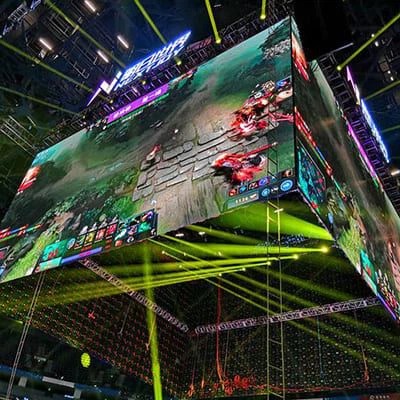
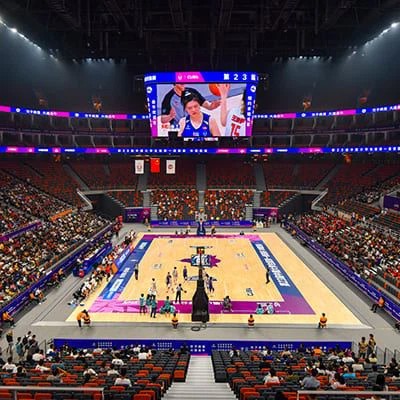
Today’s screens can do more than just play videos. The ring-shaped screen in an international sports venue can automatically switch display modes according to the rhythm of the game - automatically increasing the contrast at the moment a goal is scored and automatically enhancing the sharpness during slow-motion playback. What lies behind this is​ ​Scene preset function​ ​, just like the game mode on mobile phones.

There is also a unique skill called​ ​Multi-screen linkage​ ​, have you ever seen the shocking effect of more than a dozen screens in a shopping mall changing their images at the same time? It is not a manual operation, it relies on the main control screen to send synchronization instructions. However, a word of warning, this function needs to be adjusted by a professional master. If you mess with it yourself, it can easily turn into a mess.


The editor finally has something to say from the bottom of my heart: the display setting is like the peppers in Sichuan cuisine. Put more or less, it all depends on the skill of the spoon. If you really can't figure it out, it's most reliable to contact the manufacturer directly for technical support. After all, more formal manufacturers now have 24-hour online guidance, so why bother struggling with those parameters? The next time you see a hot pot restaurant advertising a tripe, it looks like it's real. It's probably the chef... No, it's because the background settings are adjusted properly.

for more product information and pricing, please contact us .

Shenzhen New Screen Display Technology Co.Ltd