Hi~welcome to shenzhen xinmu display technology co., ltd.!

News Center

hotline:

13632760729

Is it difficult to set the LED display model? 3-step precise positioning saves 60% debugging time

2025-11-03 55


​The LED screen has just been unpacked, but you have no way to start with the dense parameters? ​
Incorrect model setting may result in 30% brightness loss or even hardware damage. Based on the engineering experience of 87% of the world's mature markets, this article dismantles the underlying logic and pitfall avoidance guidelines for display parameter settings.


1. Hardware positioning: double verification of physical identification and system linkage

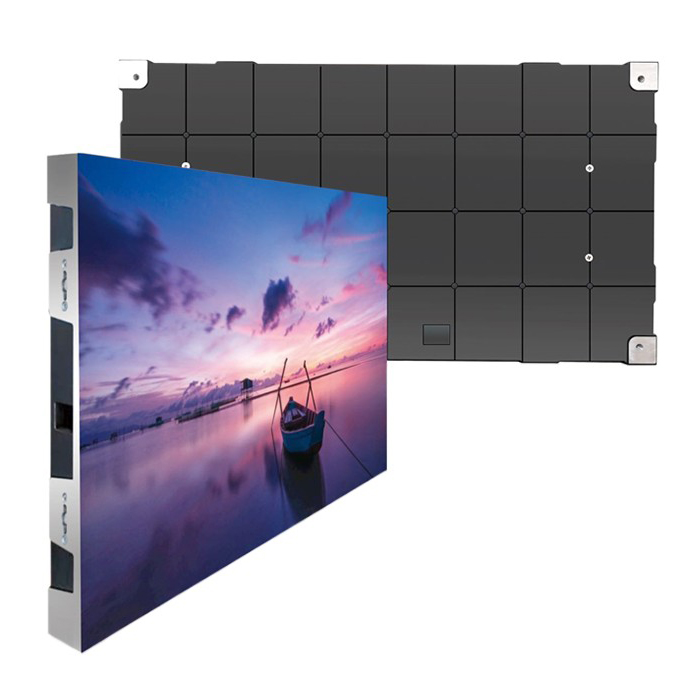
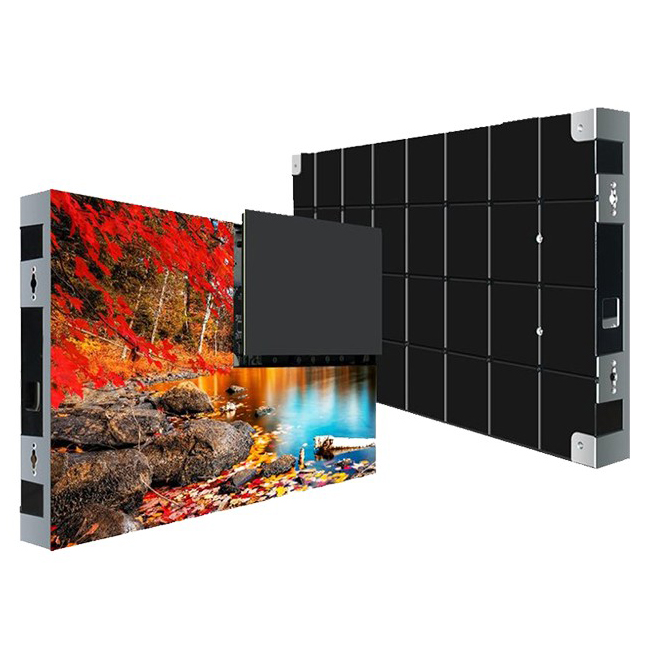
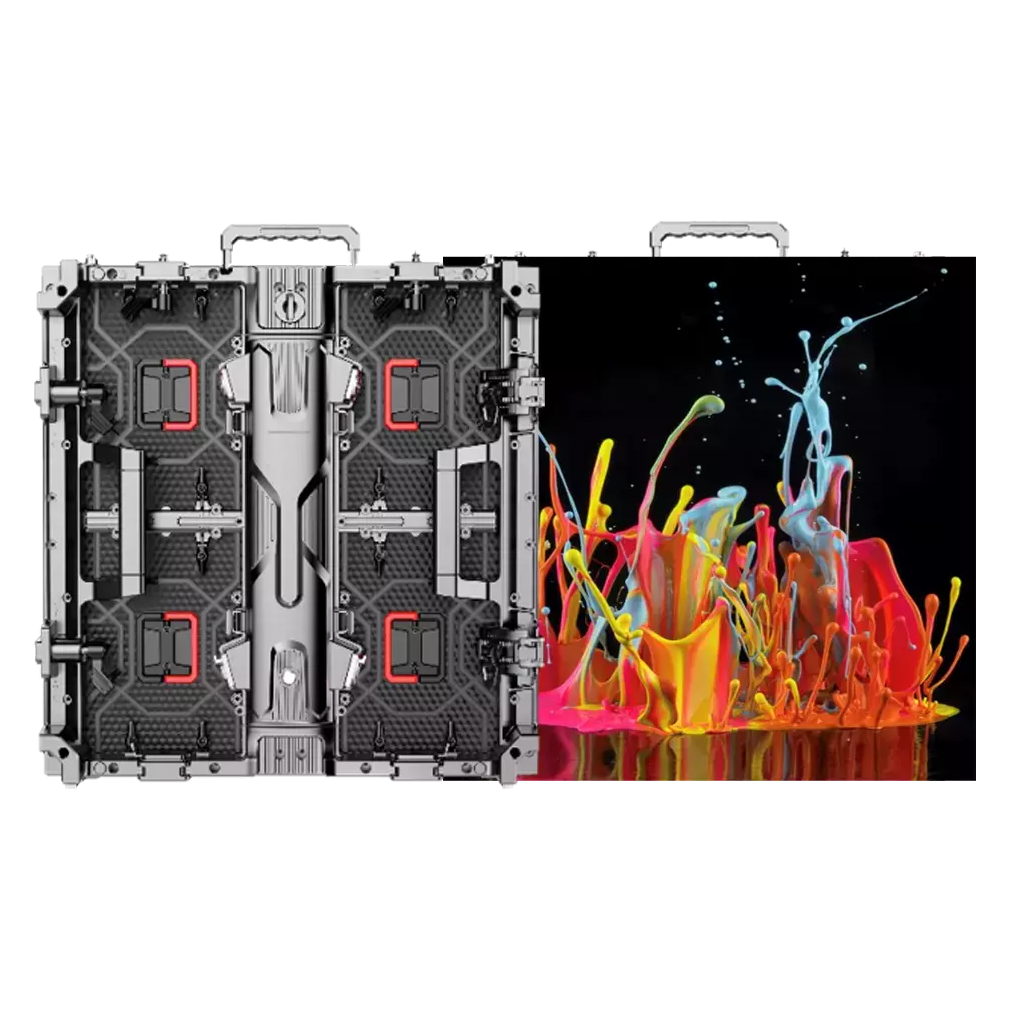
​1. Module backplane coding system​

Is it difficult to set the LED display model? 3-step precise positioning saves 60% debugging time
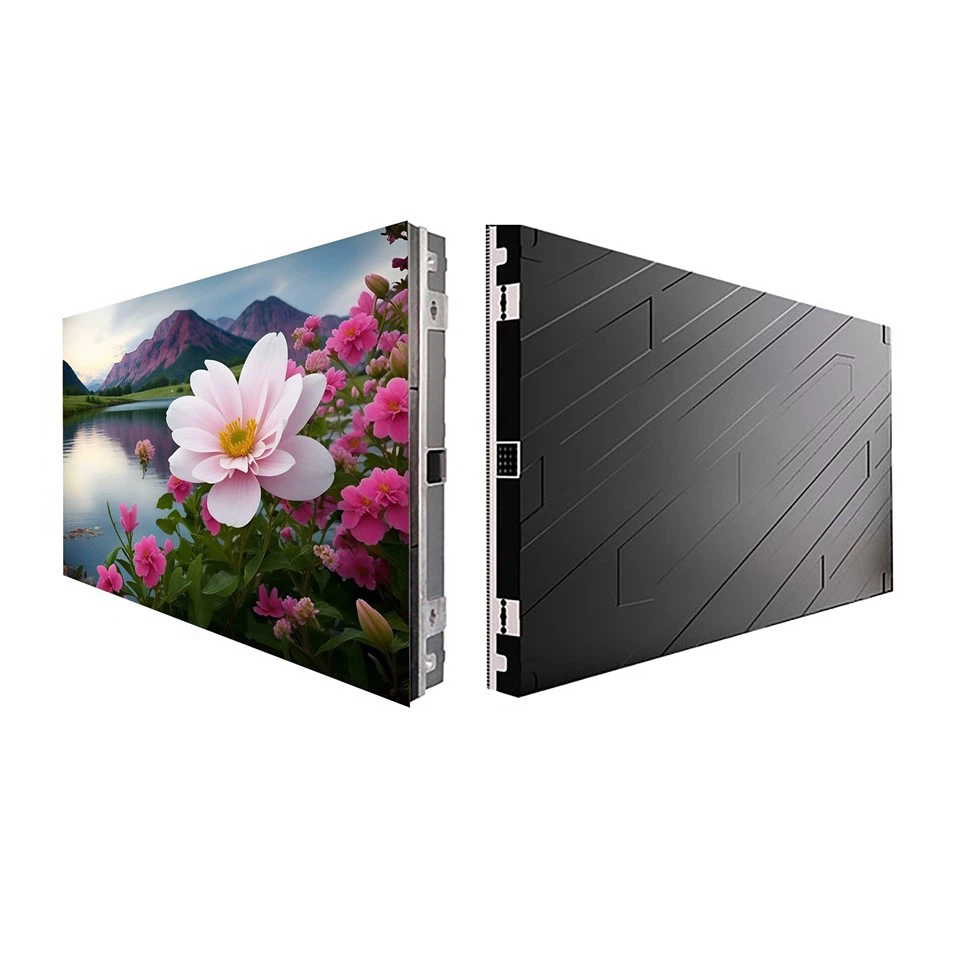
  • ​Metal etching code​ ​: In the lower right corner of the module heat sink, a 12-digit code consisting of "letters + numbers" (such as NS-P2.5-48×48)
  • ​Quick query method​​:
    ▸ The first 2 letters represent the product series (CA=commercial advertising, CX=creative interaction)
    ▸ The middle number is the dot pitch (P2.5 means pixel pitch 2.5mm)
    ▸ The number at the end indicates the module size (48 × 48, which is 48 columns × 48 rows of pixels)

​2. Automatic identification of control system​

  • Connect to professional control software through the HDMI interface and view the automatically read model data on the "Device Information" interface.
  • ​Key parameter verification​​:
    • Refresh rate deviation ≤ 1% (standard value ≥ 1920Hz)
    • Brightness fluctuation range <5% (800-1200cd/m² indoors, 4000-7500cd/m² outdoor)

​3. Optical detection-assisted calibration​

  • Use a spectrophotometer to measure red, green, and blue wavelengths:
    colorStandard wavelength (nm)Allowable deviation
    red620-630±2nm
    green520-530±3nm
    blue460-470±2nm

2. Software configuration: engineering thinking of parameter linkage

​1. Resolution matches physical pixels​

  • Calculation formula:
    ​Screen width (mm) ÷ dot pitch (mm) = number of horizontal pixels​
    ​Screen height (mm) ÷ point spacing (mm) = number of vertical pixels​
  • ​A Guide to Avoiding Pitfalls​ ​: When the software displays 5% more pixels than the physical pixels, immediately check the receiving card loading settings

​2. Dynamic balance of grayscale and brightness​

  • When using low brightness and high gray technology:
    • Grayscale needs to be ≥16bit
    • Brightness adjustment range is controlled within ±15%
    • Color temperature deviation value ΔE<3.0

​3. Parameter synchronization for multi-screen collaboration​

  • Large splicing projects require configuration:
    • Master-slave control mode (delay <0.1ms)
    • Color consistency calibration (color difference tolerance JNCD<0.5)
    • Brightness equalization compensation algorithm (difference rate <8%)

3. Intelligent evolution: Make parameter settings more “understanding” of needs

​1. Environment adaptive system​

  • The light sensor probe monitors the ambient illumination in real time and automatically matches the preset parameter group.
  • Heavy rain mode: brightness increased by 20%, refresh rate reduced to 1440Hz, anti-fogging

​2. Fault pre-diagnosis mechanism​

  • Predict lamp bead life through current fluctuation analysis (±5% threshold)
  • Temperature sensor intelligently adjusts heat dissipation strategy (forced air cooling starts at 40°C)

​3. Cloud parameter library sharing​

  • Scan the QR code to upload the device code and automatically download the best practice parameters
  • Supports multi-language version switching and adapts to 110+ national grid standards

The data shows,​ ​Correctly setting the display of model parameters can reduce maintenance costs by 42%​ ​. It is recommended to use the automatic reading mode of the receiving card when powering on for the first time. If there is an abnormal pixel shift, immediately check the match between the physical code and the software recognition - this method is 3 times more efficient than traditional manual entry, with an accuracy of 99.7%. In the future, with the integration of AI large models and edge computing technology, LED display parameter settings will achieve an intelligent leap "out of the box".

for more product information and pricing, please contact us .

Shenzhen New Screen Display Technology Co.Ltd