Hi~welcome to shenzhen xinmu display technology co., ltd.!

News Center

hotline:

13632760729

Where is the LED screen power supply hidden? 3 major location analysis + pitfall avoidance guide

2025-10-05 100


1. The "hide and seek" game of power supply location

Brothers, looking for an LED screen power supply is like looking for a hidden birthday gift from your girlfriend—it’s clearly right in front of you, but you can’t find it! Don’t worry, let’s crack this “visual magic” first:

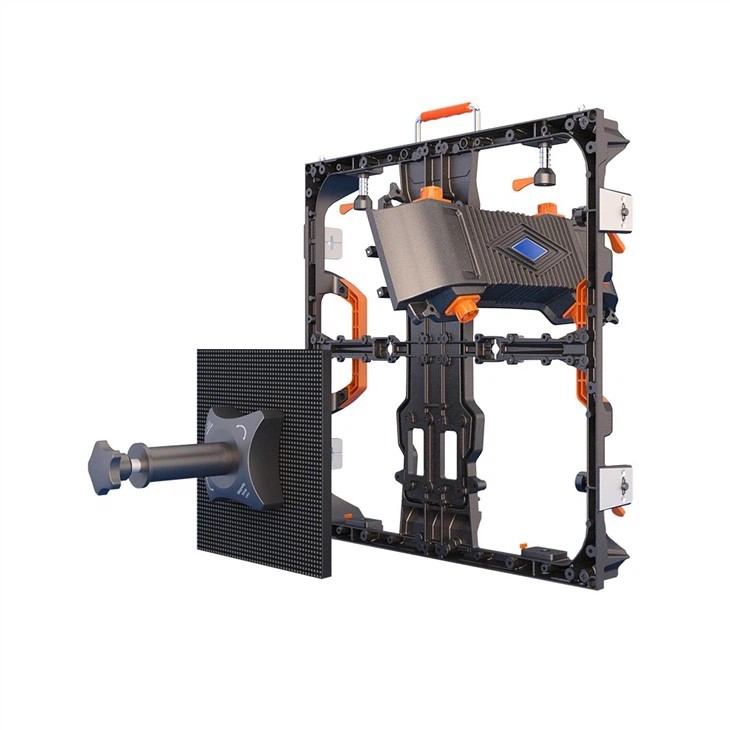
​1. The "energy capsule" behind the box"​
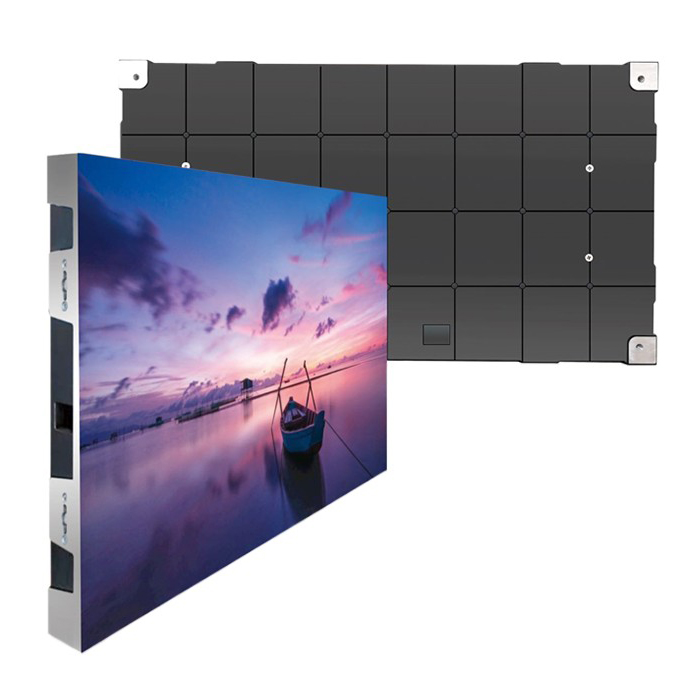
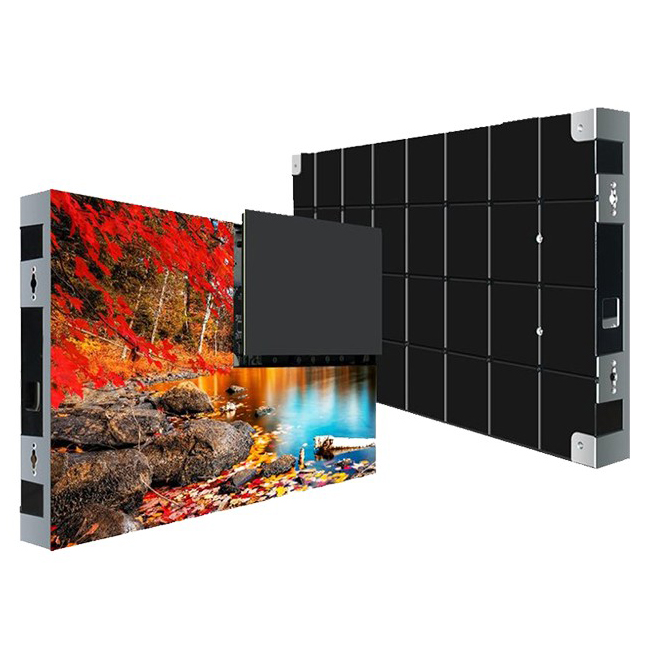
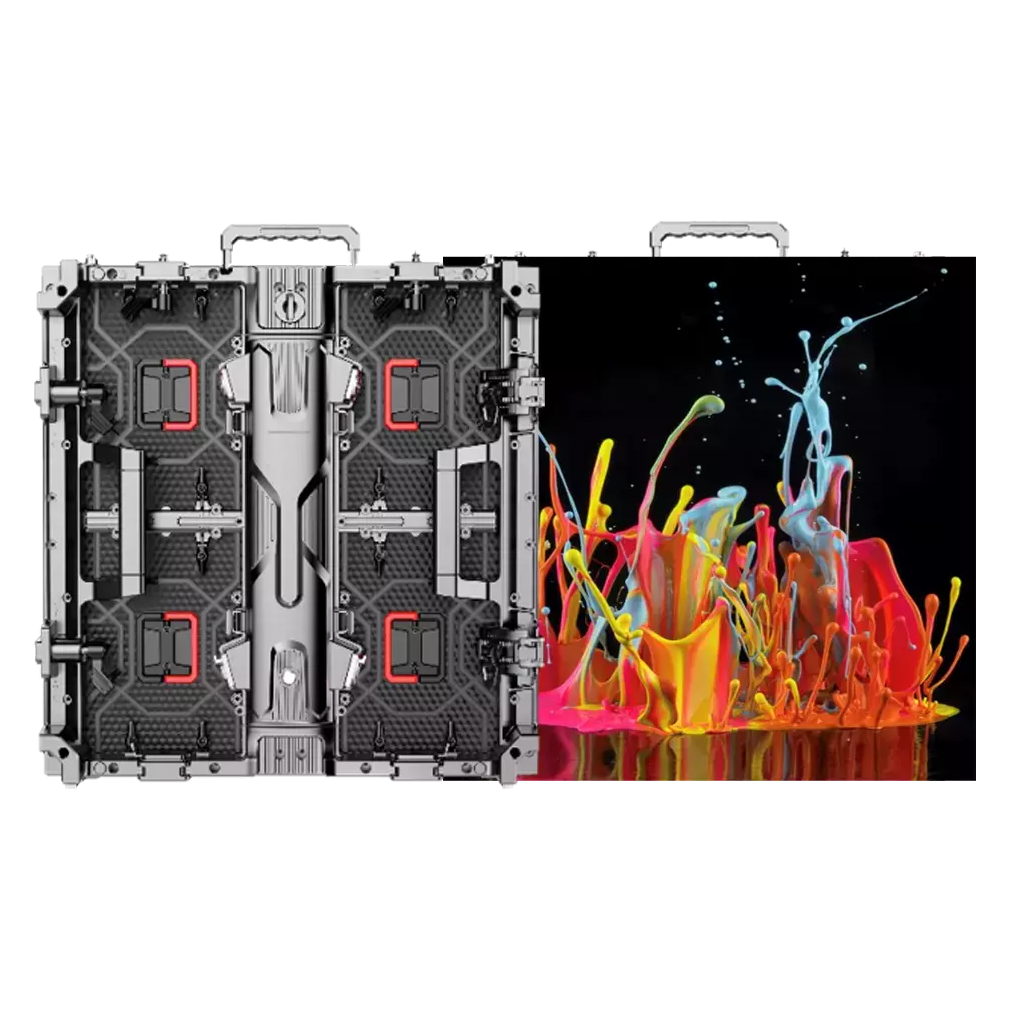
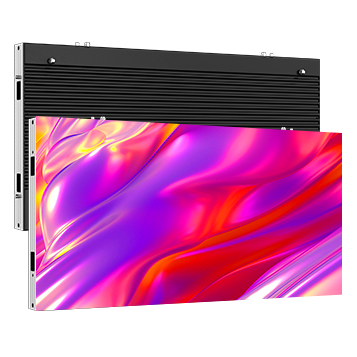
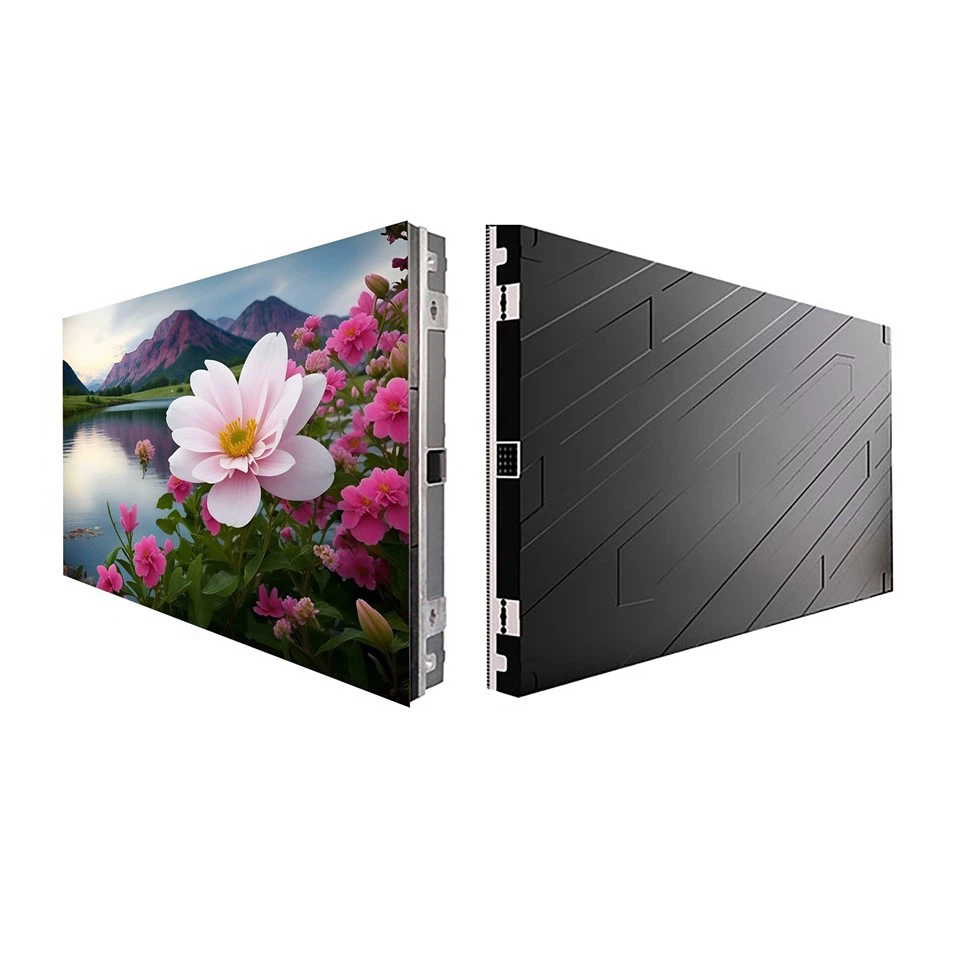
The power supply of most LED screens is hidden in the groove on the back of the box. This design is like the battery compartment of a mobile phone. Here’s a little trick: follow the cooling holes and you’ll most likely be able to touch a metal box with heat sinks. The advertising screen we installed in an international shopping mall also had reflective markings on the power supply area to facilitate nighttime maintenance.

Where is the LED screen power supply hidden? 3 major location analysis + pitfall avoidance guide

​2. The "Invisible Man" in the seams"​
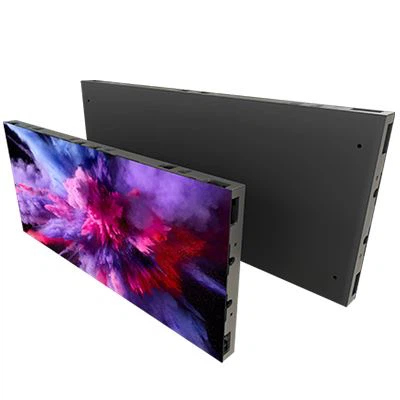
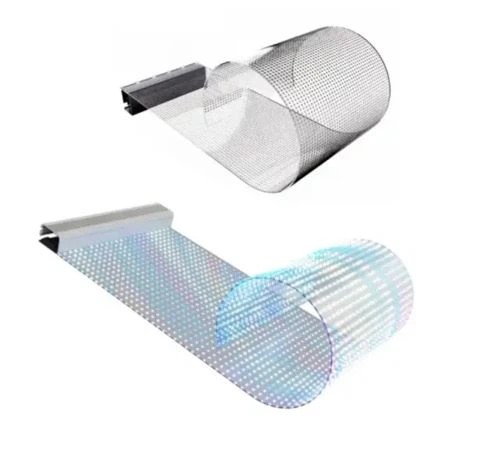
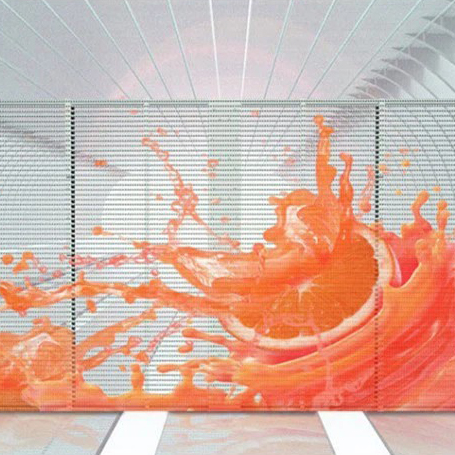
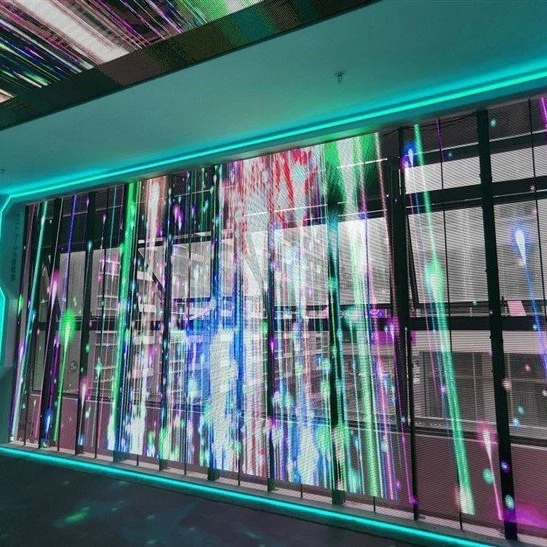
When encountering an ultra-thin screen or a transparent screen, the power supply may transform into a "Transformer" - scattered in the splicing gaps. This distributed power supply solution can reduce the thickness of the screen by 40% [user information], but during maintenance, the modules need to be disassembled like Lego.

​3. "Voldemort under the ground""​
For special products such as floor tile screens, the power supply is often hidden under the pedals. The recently popular dance floor tile screens are even more exaggerated - each pedal has its own micro power supply, and even if one is stepped on, it will not affect the overall operation [user information].


2. Three major soul tortures in power supply installation

​Q1: The more power supplies, the better? ​
Don't believe it! A bar owner installed double the power supply, but his electricity bill skyrocketed and he was complained about light pollution. Remember this formula:
​Number of power supplies = Screen area (m²) × Power density (W/m²) ÷ Single power supply power​

​Q2: How to choose the waterproof level? ​
Teach you three tricks:

  1. IP20 is enough for indoor screens (anti-finger touch)
  2. For outdoor use, choose IP65 [user information] (anti-heavy rain washout)
  3. The seaside scene requires IP67 (anti-salt spray corrosion)

​Q3: Will wiring cause electric shock? ​
Pay attention to these three "life-saving rules":

  • Wait 5 minutes after the power is turned off before operating (remaining electricity in the capacitor will bite)
  • Use a test pen to confirm the zero live wire (reverse connection will burn the control card)
  • The ground wire is 3cm longer than the phase wire (the power will eventually be cut off when accidentally falling off)

3. I have stepped through these pitfalls for you.

​1. Cooling ≠ blowing fan​
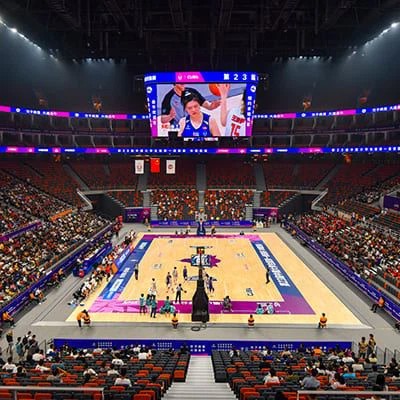
In a gymnasium project, the power supply was installed at the air outlet of the air conditioner. As a result, the temperature difference caused condensation and caused a short circuit. The correct approach is:

  • Keep more than 10cm of space for heat dissipation
  • Clean dust regularly with a brush
  • Install heat dissipation aluminum plates in high temperature environments

​2. Save power ≠ turn off the power​
Frequently switching the power supply on and off will shorten its life by 30% [User Information]. suggestion:

  • Does not shut down when used for more than 8 hours a day
  • Set up an intelligent dimming system (automatically matches ambient brightness)
  • Enable standby mode (power consumption reduced to 5%)

​3. Repair≠removing screws​
Nowadays, high-end screens adopt quick-release design:

  • Sliding buckle (3 seconds to remove)
  • Colored wiring identification (to prevent wrong insertion)
  • Modular replacement (replace whatever is broken)

personal opinion time

After working in display engineering for more than ten years, I found that the power supply is like the human heart - no matter how good the screen is, it is useless without a stable power supply. Those manufacturers who only pile up parameters will sooner or later be educated by the market. Just like the fence screen we made for a stadium in Tokyo, the power supply was specially installed under the referee's seat to facilitate maintenance and protect it from the sun and rain [user information].

The future trend is definitely intelligent power management, such as automatically adjusting brightness according to the flow of people, or remotely monitoring power consumption through APP. Remember, a good power supply must not only be hidden smartly, but also last a long time - after all, no one wants to be called up by a customer to repair the screen in the middle of the night, right?

for more product information and pricing, please contact us .

Shenzhen New Screen Display Technology Co.Ltd