Alas, all the veteran engineering drivers!
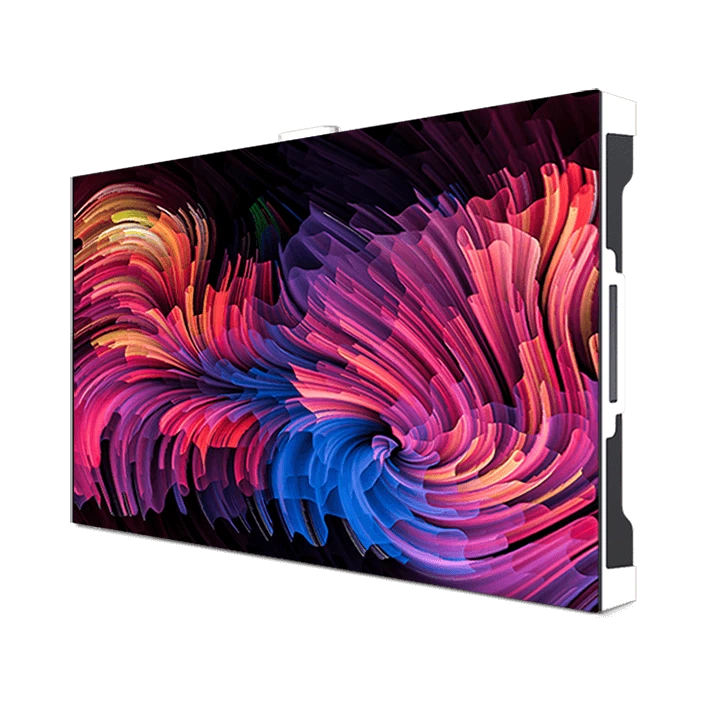
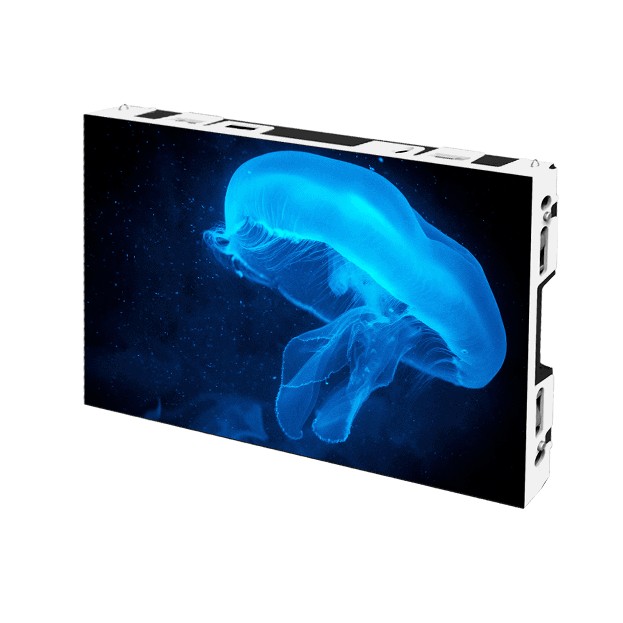
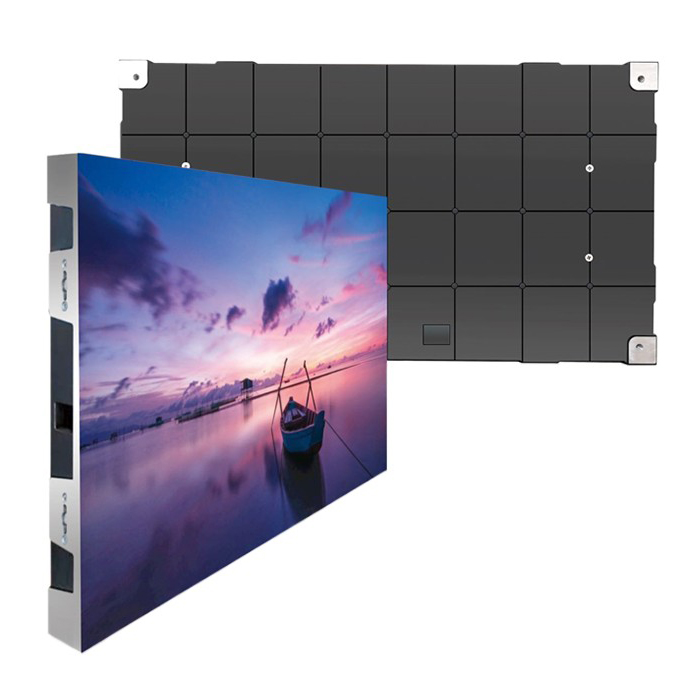
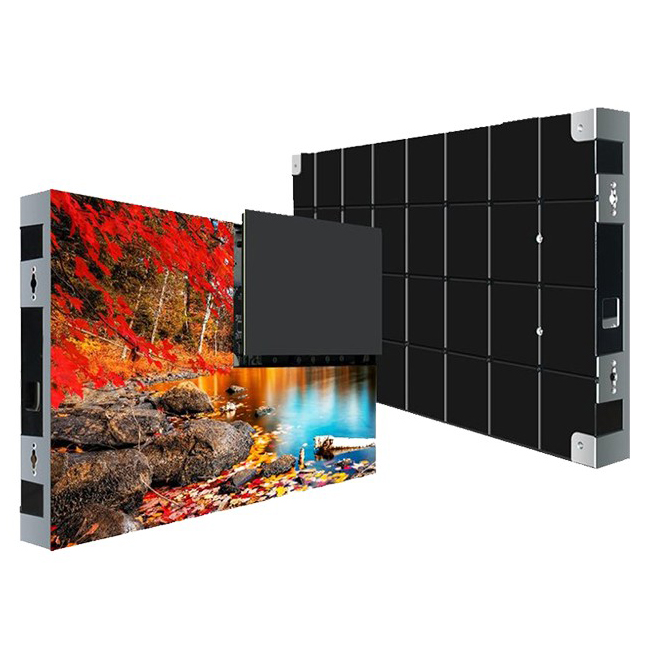
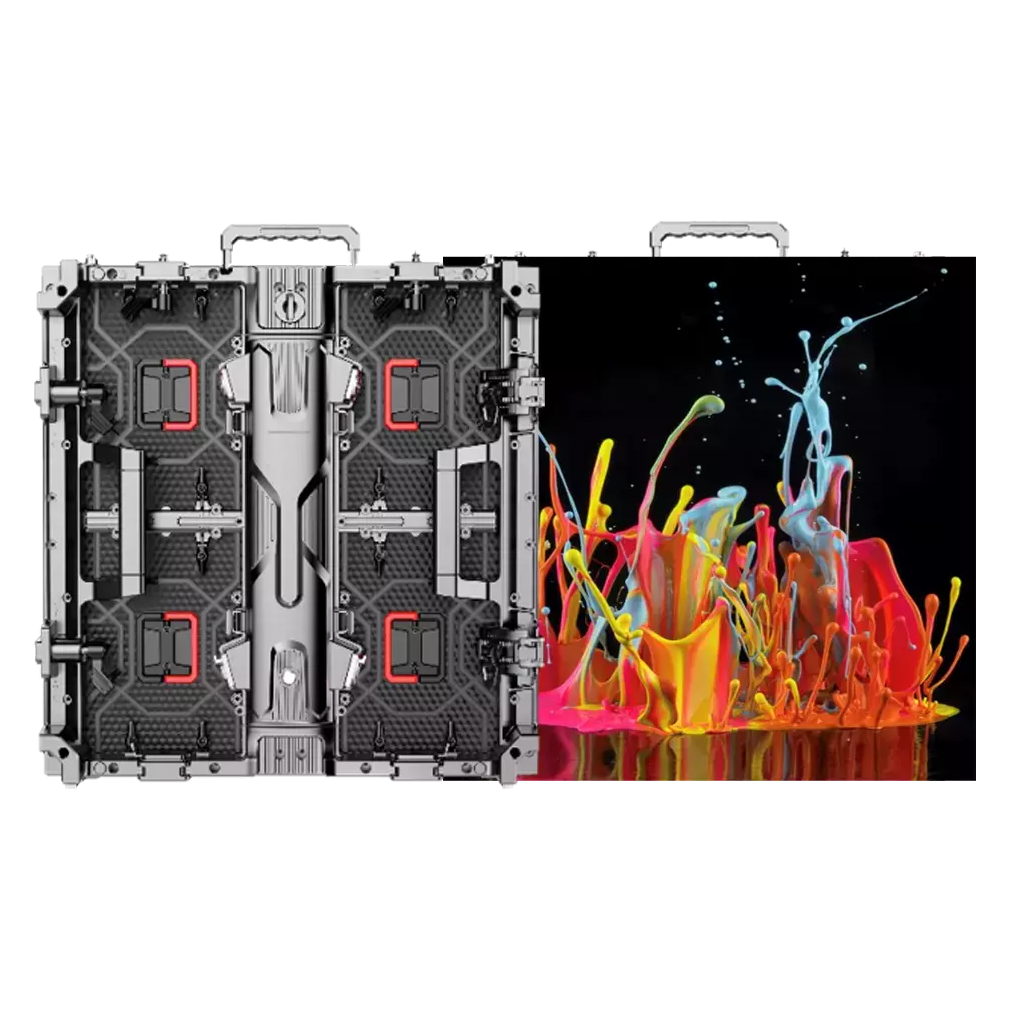
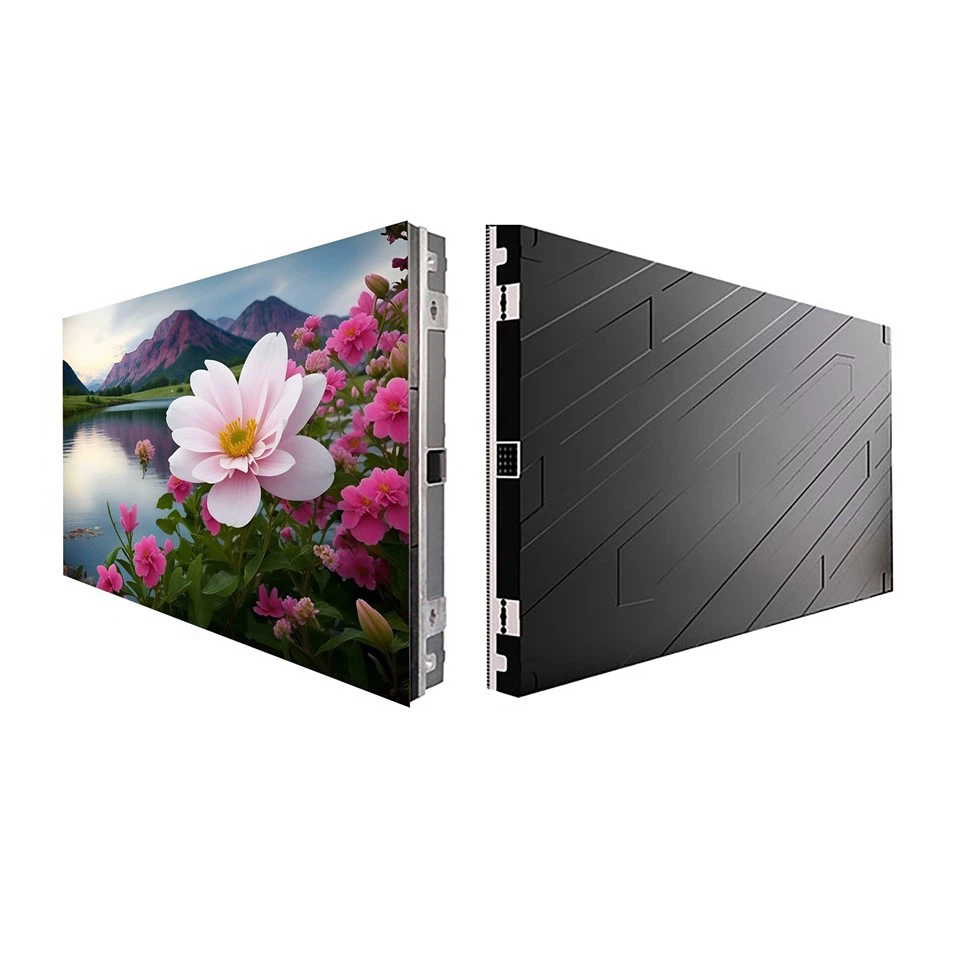
Have you ever experienced this crazy moment? The display is installed, but the power supply inlet cannot be found ; I wanted to adjust the line layout, but when I opened the box, I found that the cable looked like a silk hole... Today we will talk about the way to set up the LED display screen line, and teach you step by step to avoid pits that 90% of novices will step on.
1. The rules for incoming line positioning of three core areas
"Master, where is the inlet of this display hidden? " The incoming position design of display screens in different scenarios is very particular:
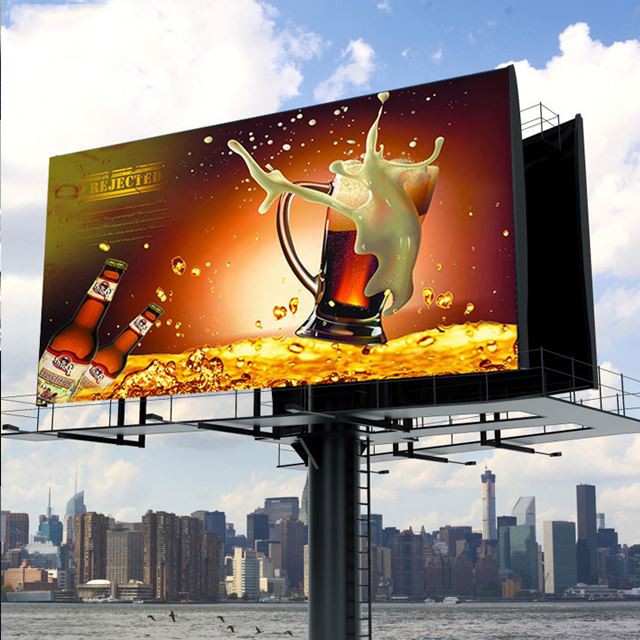
1. Waterproof fortress for outdoor advertising screens
- Golden Triangle Zone: Set a waterproof compartment 15cm at the bottom of the box, equipped with IP65 protective cover plate as standard
- Special design: Dual-channel incoming structure, physical isolation between power cord and signal cord, and reduced electromagnetic interference by 70%
- Tested data: Adopting an inverted U-shaped wiring design, the risk of rainwater backflow decreased by 92%.
2. Invisible mechanism of stage floor tiles screen
- Quick-removal port on the side: Magnetic cover plates are installed on both sides of the box, and cable connection is completed in 10 seconds
- Intelligent recognition: Color-coded interface group (red power supply/blue signal/yellow backup)
- Stage test: With the rapid disassembly and assembly of the box, the wiring time of the entire screen is shortened to 30 minutes
3. Riot design of sports fence screen
- Rotating protective cover: Two steps of "press + rotation" must be completed before the interface can be exposed
- Military Industry Standards: The thickness of the gold-plated interface reed is up to 3μm, and the number of times to be plugged and unplugged is >5000 times
- Extreme Test: Under the operating conditions of -40℃~85℃, the interface contact resistance fluctuates by <0.5Ω
2. Five major iron laws for wiring construction
"No matter how you deal with this line, it will be messed up? " Remember these dry goods guidelines:
-
The current load is calculated clearly
- 200W power supply is equipped with 2.5mm² copper wire, 400W must be 4mm²
- Formula Shorthand: Wire diameter (mm²) = Total power (W)/1000×0.8
- Lessons of blood and tears: A project uses a 1.5mm² cable with a load of 300W, and the wire skin melts after 3 months.
-
Phase balance must be firmly grasped
- When power supplying three phases, the load deviation of each phase is less than 10%
- Test tricks: Use a clamp meter to measure the current of each phase, and adjust the fluctuation immediately after exceeding the limit.
- Project Cases: After balancing wiring, the power module life will be extended by 2.3 times
-
Signal isolation has a way
- The distance between strong and weak currents is ≥30cm, and it is at a right angle of 90° when crossing
- Anti-interference solution:
- Metal shielding tube
- Install magnetic loop filter
- Use twisted pair signal cable
3. Three must-see actions for beginners
Combined with the industry repair big data in 2024, don’t make these mistakes:
❌Use wiring order
- Correct process: distribution cabinet → processor → control card → screen body
- Consequences of violations: Reverse power on causes capacitor slurry, and the maintenance fee is enough to buy half a new screen
❌ Ignore grounding protection
- Independent grounding piles must be used, grounding resistance is <4Ω
- Test comparison: Lightning damage rate of equipment with standardized grounding decreased by 87%
❌ Brutal construction with electricity
- Safety Code: Electric pen inspection + insulated gloves + anti-slip
- Thrilling cases: An electrician operates with wet hands, instantaneous arc-burning screwdriver
Technical Observation: Now high-end displays are beginning to popularize intelligent power distribution systems, which can automatically detect cable temperature and current balance. A test project shows that this system can compress the fault response time from 2 hours to 10 minutes. It is recommended that when purchasing next time, focus on the intelligent power distribution capacity of the equipment, which is definitely the key to saving worries and effort!
Editor's opinion: The in-line setting is like installing a "cardiovascular system" on the display screen - it is impossible to see the appearance, and the inside is deteriorated for a minute. Those designs that can hide the interface under your nose and meet the national standards are real kung fu. Remember one principle: a good line-in system must be convenient for maintenance and can withstand ten or eight years of trouble!