Hi~welcome to shenzhen xinmu display technology co., ltd.!

News Center

hotline:

13632760729

Can the brightness of the LED screen be automatically adjusted? How to achieve intelligent control?

2025-06-30 203

Have you ever encountered this situation? During the day, I always feel that the picture is so gray that I can't see clearly ; I passed by the same screen at night, but I was unable to open my eyes by the dazzling light. There has been a solution to this embarrassment long ago - LED screens are no longer "iron silly" who will only light up, they have learned to adjust the brightness by themselves!

LED屏的亮度能自动调节吗?如何实现智能控制?

1. The core principle of automatic brightness control

​How do you "think" how bright the LED screen should be? ​
This matter starts with two key components:​ ​Ambient light sensor​​and​​Intelligent control chip​​. Just as the human eye adjusts the pupil size according to the intensity of light, the sensor is the "eye" of the screen. It can capture the brightness of the surrounding environment in real time and then pass the data to the control chip - this thing is equivalent to the "brain" of the screen.

Here is a little knowledge point: the ordinary photoresistor used in the early years (the one mentioned in web page 1) is actually not very reliable and is easily affected by temperature. Now the mainstream solutions are​ ​Composite photosensitive sensor​​, able to monitor light intensity and color temperature at the same time (web page 3). For example, it is like wearing smart sunglasses on the screen, and you can accurately judge how bright it should be on sunny or rainy days.

Two and three mainstream adjustment methods

Some people may ask: Isn’t adjusting the brightness just adjusting the current? Actually it's not that simple! There are currently three main ways to play on the market:

​Adjustment method​​advantage​​shortcoming​
PWM DimmingNo color changes, obvious energy savingThere may be strobe at low brightness
Current regulationGood linearity changeLarge calorie, affecting life span
Voltage regulationSimple structure and low costSmall adjustment range and poor accuracy

(Web page 5 mentions that PWM dimming is currently the mainstream, and web page 6 adds specific implementation methods)

Nowadays, the high-end solutions are​​Mixed dimming​​. For example, use PWM to ensure brightness during the day and switch to micro current mode at night, which not only protects the eyes but also saves power. Just like the phone automatically switches daytime/night mode, the adjustment of the LED screen is more complicated.

3. These scenes must be adjusted automatically!

​When is the automatic brightness necessary? ​

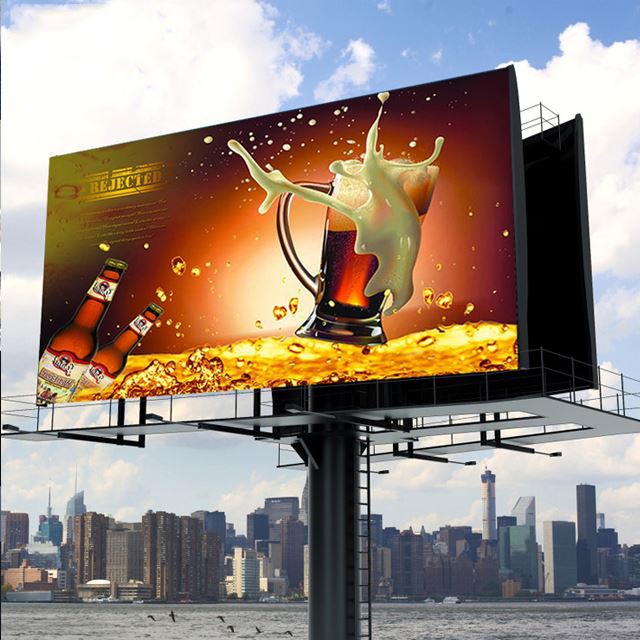
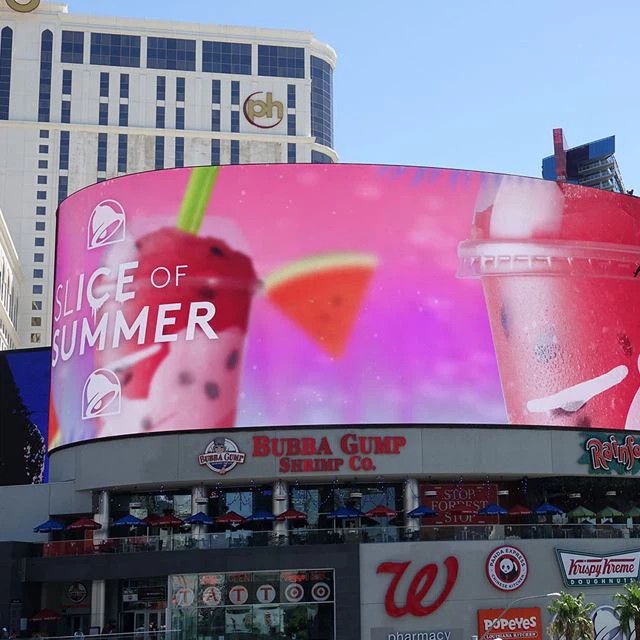
  1. ​Outdoor advertising screen​​: The sunlight illuminance at noon on sunny days can reach 100,000 lux. At this time, the screen must be illuminated to 7500cd/m² before it can be seen clearly (the parameters mentioned in Web page 2). But at night, if the brightness is still the same, passers-by will have to wear sunglasses to watch the advertisement!
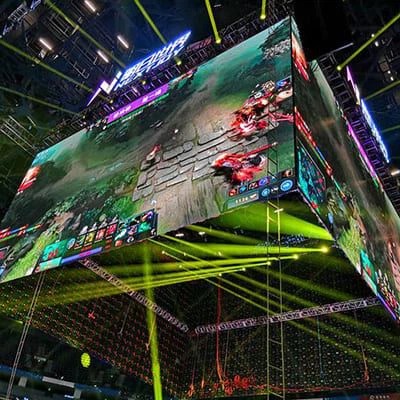
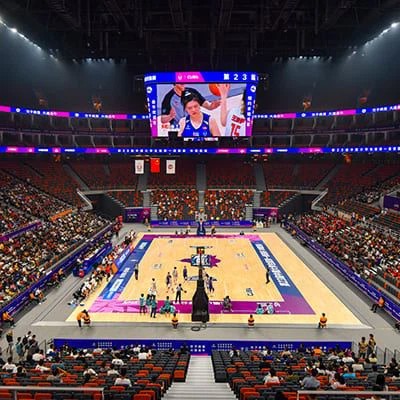
  2. ​Sports stadium screen​​: During the game, the lights at the audience will change, and the screen needs to be adjusted accordingly. Imagine the whole game lights are on at the moment when the goal is scored in the football game. If the large screen still maintains its original brightness, the broadcast screen will be white.
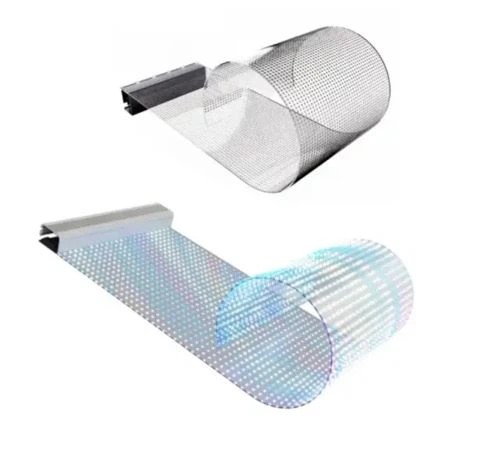
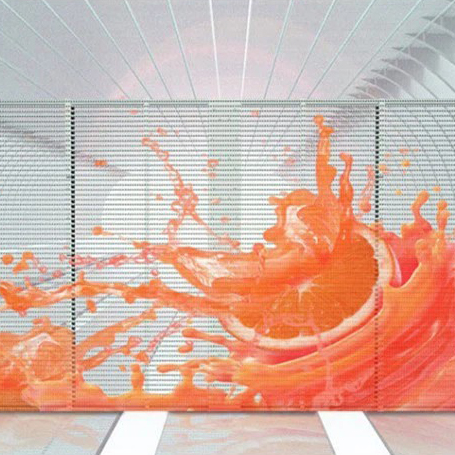
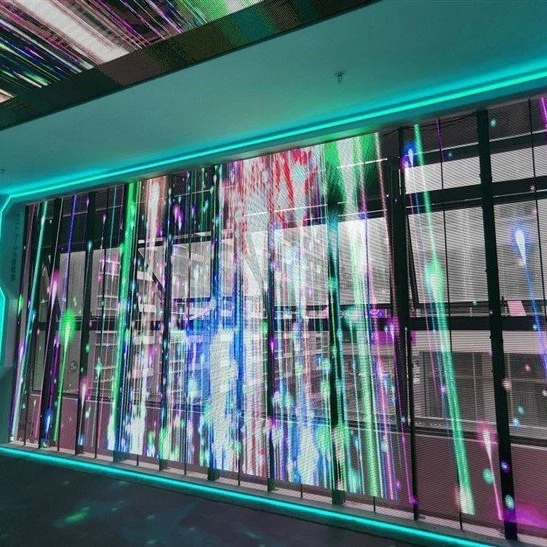
  3. ​Transparent display screen​​: This type of special screen has higher requirements for brightness control. For example, the window screen in a shopping mall must not only ensure transparency during the day (more than 86%), but also do not steal the limelight at night (application scenarios mentioned in web page 8).

Here we need to knock on the blackboard: a good automatic adjustment system does not only switch "light-dark", but can be done in different time periods and scenes.​​Dynamic curve adjustment​​. For example, the minimum brightness can be set from 2 to 5 a.m., which not only saves electricity but also reduces light pollution.

4. Guide to avoid pits when purchasing

Two of the most common pitfalls for beginners:

  1. ​Only look at the maximum brightness​​: Actually, what is more important is​​Adjustment range​​. For example, a certain screen is nominally 8000cd/m², but the minimum is only adjusted to 2000cd. This kind of night use is a "light pollution manufacturing machine".
  2. ​Ignore response speed​​: When the ambient light suddenly changes (such as dark clouds), the screen must be adjusted within 3 seconds (technical indicators mentioned in webpage 4). Some cheap plans require more than 10 seconds to wait, and people are soaked in the water!

It is recommended to focus on three parameters:

  • ​Brightness adjustment range​​(For example, 4000-7500cd/m²)
  • ​Grayscale retention capability​​(No details can be lost when the brightness is low)
  • ​Environmental adaptability​​(Working temperature -30℃ to 60℃)

If possible, let the manufacturer give a live demonstration: use a strong light flashlight to suddenly shine the sensor to see the screen's reaction speed. Just like a test drive car to brake suddenly, you can only see your true skills at critical moments.

Editor's opinion

To be honest, automatic brightness control is now the "basic skill" of LED screens. But with the same basic skills, the gap between professional and amateur players is very big. Next time you see an LED screen that will "be smarter", you might as well pay more attention to whether its adjustment is smooth - a good dimming system should be as natural as breathing, making you unaware of the change in brightness. After all, isn’t the most brilliant technology the only thing that makes people unable to feel the existence of technology?

for more product information and pricing, please contact us .

Shenzhen New Screen Display Technology Co.Ltd