Hi~welcome to shenzhen xinmu display technology co., ltd.!

2025-06-07 239
Alas, have you ever encountered this situation? The newly installed LED screen looks very clear during the day, but it is as dazzling as a searchlight at night; or the brightness is clearly adjusted, but the color of the picture becomes gray? Today we will talk about this issue that drives newbies crazy—LED screen brightness adjustment, teach you step by step from getting started to mastery.
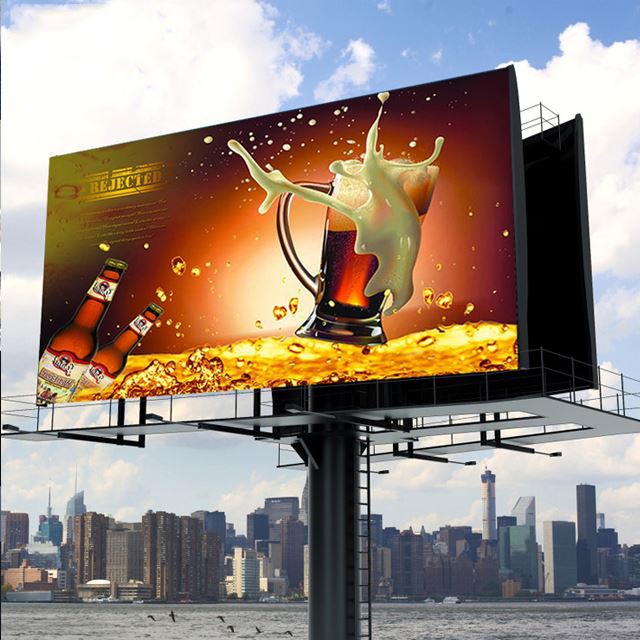
Many people think that the brighter the screen, the clearer it is, but in fact this is a misunderstanding.Indoor full color screenIt is recommended that the brightness is between 800-1200cd/m²,Outdoor advertising screenContaining between 4000-7500cd/m² is reasonable. For example, just like the principle of automatically adjusting the brightness of a mobile phone screen, LED screens also need to be intelligently adapted according to ambient light.
Hazards of brightness exceeding standard:
① Long-term high-brightness operation, the life of the lamp bead is reduced by more than 30%
② Excessive brightness at night outdoors may violate the light pollution regulations
③ Long-term focus on the highlighted image can easily cause visual fatigue
Insufficient brightness issue:
① The picture is gray and gray under direct sunlight
② The dynamic screen has a sweep phenomenon
③ Decreased color saturation leads to a discount on advertising effect
Now the LED screens on the market basically support three brightness adjustment modes, let's explain them clearly one by one:
1. Manual hardcore mode
Suitable for use in technical homes or fixed scenarios. Find two sliders in the control software, "Brightness" and "Contrast" and remember this golden ratio-Contrast value = brightness value × 1.2. For example, if the brightness is set to 1000cd/m², the contrast is most suitable.
2. Intelligent lazy mode
Many high-end screens now have ambient light sensors. Check "Auto Brightness Adjustment" in the system settings, and the sensor will monitor the surrounding light intensity in real time. Here is a tip: Setting UpNight mode trigger threshold, it is recommended to automatically switch energy-saving brightness when ambient light is ≤300lux.
3. Color temperature metaphysical mode
Change the visual brightness by adjusting the ratio of red, green and blue. Cool tones (blue) will appear brighter but dazzling, while warm tones (yellow) will be softer but less transparent. Recommended parameters:
Last week, a customer turned the newly installed screen and the repairman almost fainted when he saw it - this guy actually raised the brightness to 8000cd/m² in the midday sun! To avoid this tragedy, remember these minefields:
① Change the brightness when you turn on
The correct way is to display the solid color screen for 15 minutes first, and then adjust it after the driver IC temperature is stable. Just like a car needs to be warmed up when it starts a cold car.
② Ignore the heat dissipation conditions
In summer, every time the brightness is increased by 1000cd/m², the usage time should be reduced by 20%. For example, if you could use the screen that could be used for 10 hours, you can work continuously for up to 8 hours after adjusting to the highest brightness.
③ Single-point adjustment regardless of the global
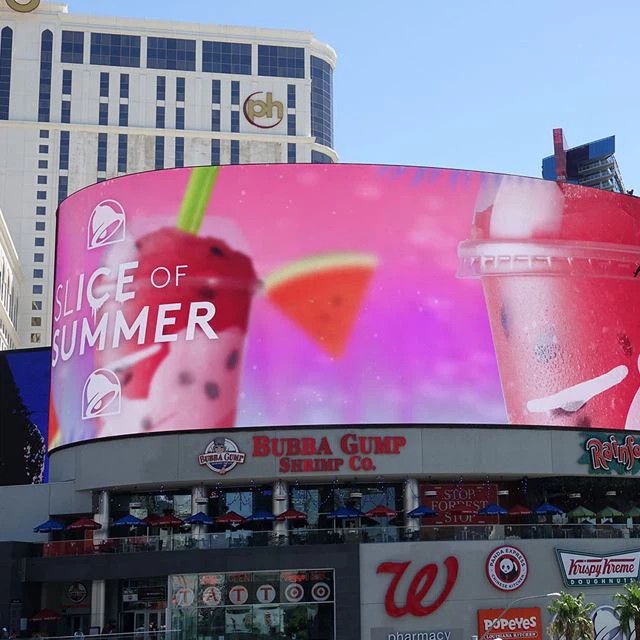
Professional-level screen supports partition brightness adjustment. For example, the curved screen in the mall has a brightness of the sun-facing surface 30% higher than the shade-facing surface to coordinate.
④ Ignore source matching
The brightness parameters required by the HDR signal output by the computer are completely different from those required by ordinary video signals. A simple rule:HDR content brightness = regular content × 0.7
⑤ Forgot the calibration cycle
It is recommended to do an optical school once a quarter, especially for rental screens that are frequently moved. There is a simple way to judge: if the white picture shows regional yellowing, you should contact the technical team for in-depth maintenance.
Recently I have received a lot of similar inquiries: "I have followed the tutorial, why is the effect still unsatisfactory?" Here are a few high-frequency questions:
Q: What should I do if I find color distortion after adjusting the brightness?
A: Eighty times the brightness is not synchronously adjusted. Remember that these two parameters are like seesaw, and it is recommended that the step length should not exceed 5% per adjustment.
Q: How bright should the outdoor screen be on rainy days?
A: There is a simple calculation formula:Basic brightness ×(1-Natural light illuminance/10000). For example, if the daily brightness is 5000cd/m², it is most suitable to adjust it to 4500cd/m² when it encounters cloudy days of 1000lux.
Q: Can the phone remotely adjust the brightness?
A: Now mainstream control systems support APP remote control. But pay attention to network security settings and never use the default password! Last week, a shopping mall had a large screen locked by hackers, and it was a bloody lesson.
After all, brightness adjustment is like "fitting glasses" on the screen, which must be seen clearly and comfortable to wear. Those come withIntelligent light sensing moduleand24-hour technical supportThe equipment is really worry-free to use. Next time I encounter the brightness problem, remember a core principle-Let the screen integrate into the environment, rather than confronting the environment。
for more product information and pricing, please contact us .