Hi~welcome to shenzhen xinmu display technology co., ltd.!

News Center

hotline:

13632760729

Where can I check the LED screen parameters? Teach you step-by-step to quickly locate key indicators

2025-11-06 48

Ouch! Are you dizzy after looking at the parameter table of the large LED screen you just bought? Are the technical documents provided by the merchant like a sacred book? Don't panic! I’ll teach you these tricks today——​ ​Finding parameters is like playing a minesweeper game. If you understand the rules, you can avoid pitfalls.​​!


1. Parameter treasure map: these 5 places must be read

​Remember this jingle first​​:
"One nameplate, two systems, three questions after sales and four actual tests, the ultimate trick is to unbox and find out"

Where can I check the LED screen parameters? Teach you step-by-step to quickly locate key indicators
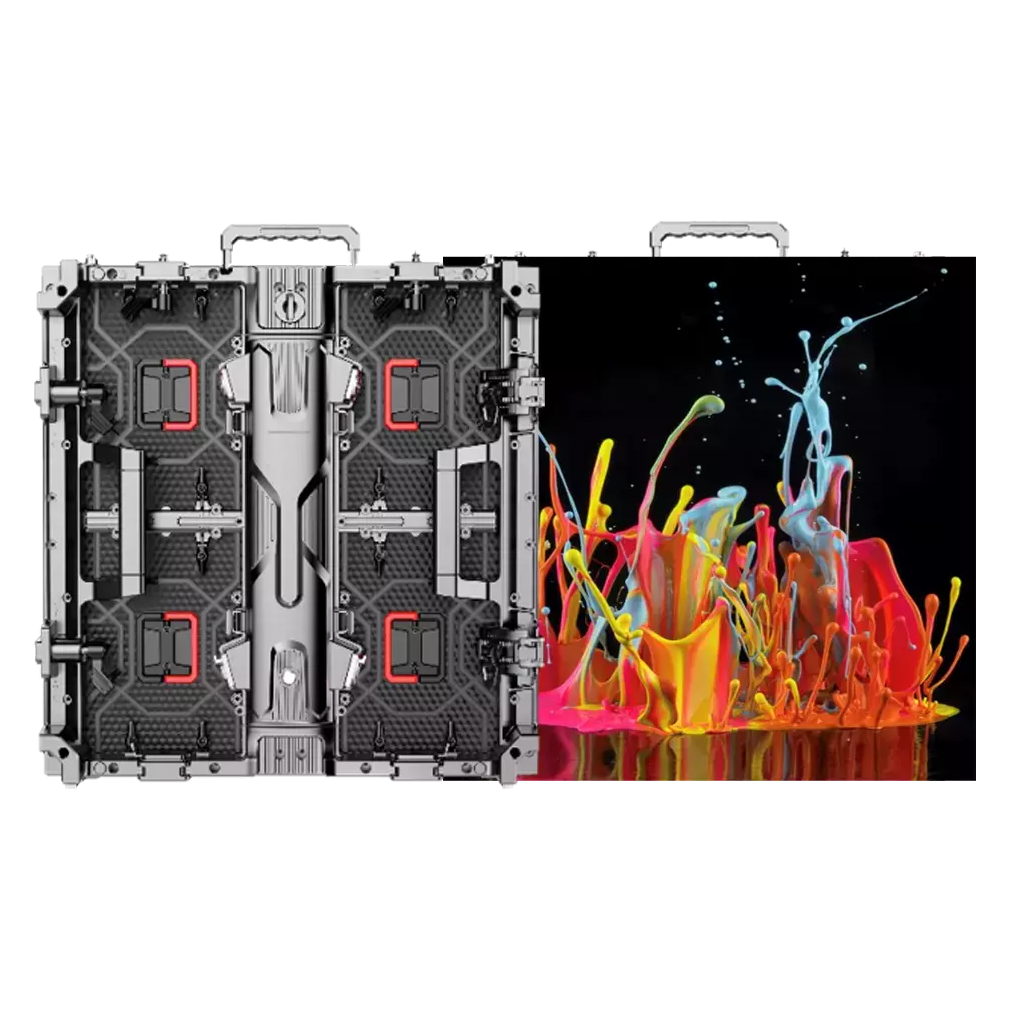
  1. ​Body nameplate​ ​(most direct)

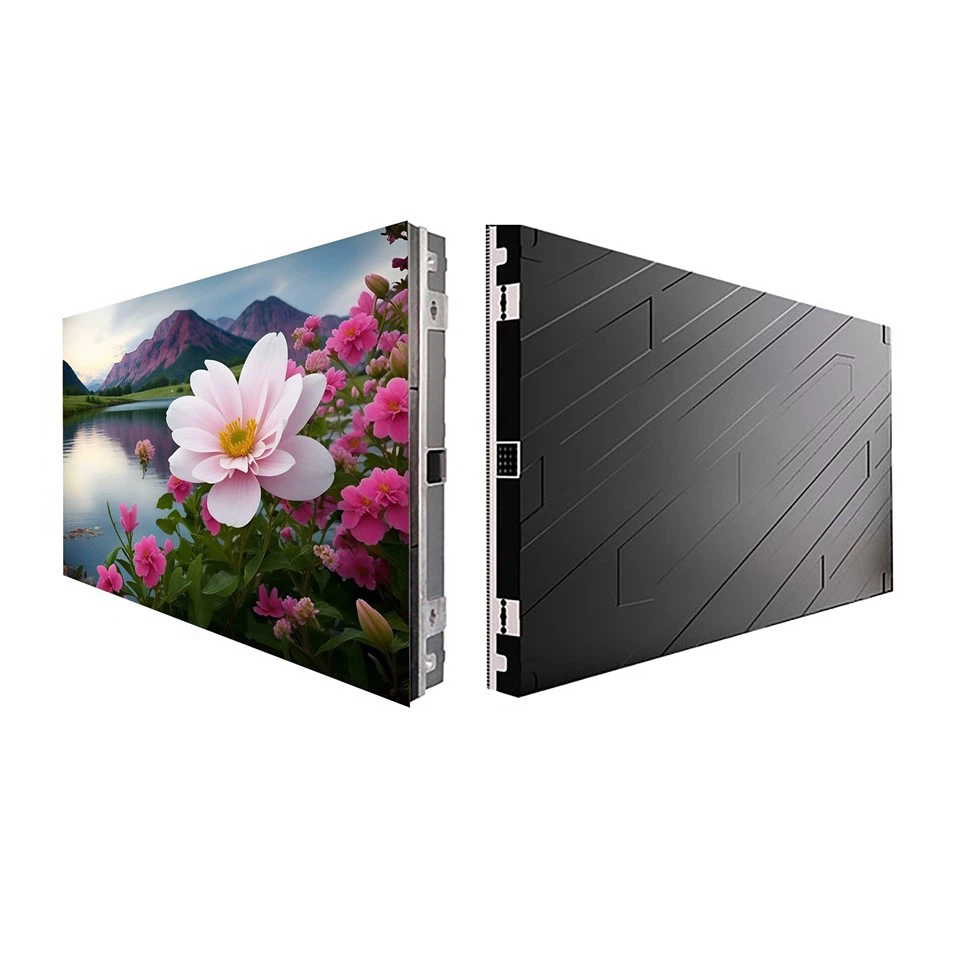
    • Usually attached to the back or side access opening of the screen
    • Three must-sees:
      ✅ Pixel spacing (P number)
      ✅ Rated power (rely on this to calculate electricity bills)
      ✅ Protection level (IP65 is more resistant than IP54)
  2. ​Control system menu​ ​(most accurate)

    • Press the "Menu" button on the remote control → System Information"
    • Focus on:
      ✦ Current refresh rate (1920Hz and above is considered high-end)
      ✦ Actual brightness value (don’t believe the laboratory data on the promotional page)
      ✦ Length of use (second-hand screen shows original form)
  3. ​Factory inspection report​ ​(the most authoritative)

    • Hidden in the mezzanine of the packaging box or USB flash drive
    • Key things to look at:
      ✦ Color gamut coverage (NTSC 92% is better than sRGB 120%)
      ✦ Grayscale (it makes sense that 16bit is 30% more expensive than 14bit)

Last year, I relied on this trick when helping a customer to accept the stadium fence screen - the merchant said that P3 actually measured P3.91, and he directly bargained for 80,000 with the test report!


2. Parameter slang translator

​Don't be fooled by these terms anymore​​:

  • ​"low brightness high gray"​​:
    It doesn’t mean that the brightness is low, it means that it can still display 8192 levels of grayscale at 800cd/m² (ordinary screens become blurry at 500cd/m²)

  • ​"virtual pixel"​​:
    The actual P2 screen simulates the P1 effect through algorithms (playing 4K videos will reveal the secret)

  • ​"nano coating"​​:
    Anti-fingerprints are real, but saying it can improve contrast is pure nonsense (laboratory data is up to 3%)

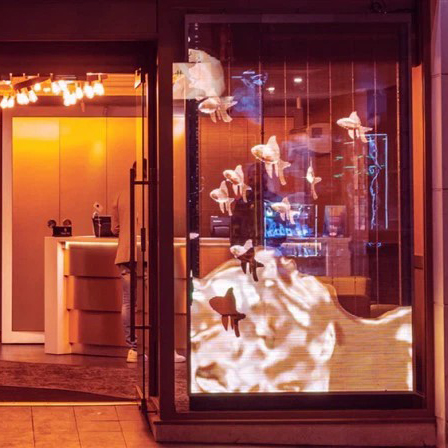
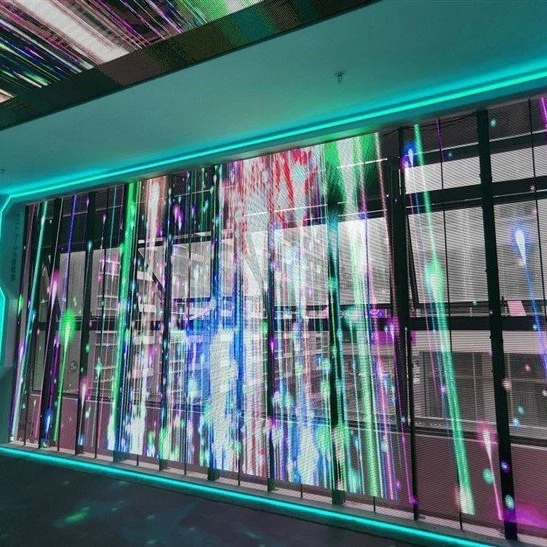
For example: The transparent screen purchased in a certain mall has a nominal transmittance rate of 86%, but the actual measurement found that the power module was removed. After installing the control system, only 72% was left. The boss was so angry that he almost smashed the screen!


3. Mobile phone second change detector

​No professional equipment? These wild tricks work​ ​:

  • ​Test refresh rate​​:
    Turn on the professional mode of the camera, adjust the shutter to 1/2000 second and shoot the screen. The fewer black bars, the higher the refresh rate.

  • ​Color accurate​​:
    Download the Pantone color chart and cast it on the screen to see with the naked eye whether the skin color and red are gray.

  • ​Check the death light​​:
    Full-screen display of solid colors (red, green, blue and white in turns), use a paper towel tube as a telescope to scan modules one by one

Last week, a bar owner was even more outrageous - he used a currency detector pen to examine the floor tile screen and found 12 hidden cracks, so he forced the construction team to rework and reinstall it!


4. Revealing the secrets of parameter metaphysics

​These cold-knowledge merchants will never say​​:

  • Screens with the same P value have a 0.1mm difference in lamp bead size and a 15% price difference.
  • The outdoor screen has a brightness of 4000cd/m² and its lifespan is cut in half.
  • The quick disassembly and assembly structure of the rental screen will reduce the heat dissipation efficiency by 30%

We suffered a loss when we were providing on-site support for a music festival in Southeast Asia - a rental screen with a nominal IP65 rating had 20% of its modules flooded with water after three consecutive days of heavy rain. Only later did we discover that the merchant did not install a waterproof rubber ring!


Personal opinion: higher parameters are not better

After working in the display industry for more than ten years, the most annoying thing is that customers ask for "the best quality". ​ ​Just like buying a car, you have to have a V8 engine to travel in the city. It’s just a waste of money.​​!

Last year, we worked on a transparent screen project for a shopping mall in Tokyo, and the client insisted on 0.8mm pixel pitch. Field tests found that the human eye could not tell the difference between P0.9 and P1.2 at a viewing distance of 5 meters. In the end, more than 400,000 was saved and invested in an intelligent control system. ​ ​Suitability is the key, as long as the parameters are sufficient​​!

(Really not sure? Take a photo of the back of the screen and send it to technical customer service. Experienced drivers will know which generation of product it is by just looking at the nameplate position)

for more product information and pricing, please contact us .

Shenzhen New Screen Display Technology Co.Ltd